Media

Hydrogen Basics

16 articles in this category.

Grid and Energy Storage

Fuel Cells Powering Critical Infrastructure in Disasters

The United States’ power grid is 99.97% reliable, but when it fails, it is both disruptive and costly. Hurricanes, tornados, thunderstorms and other weather events—not to mention human error, animals, and mechanical failure—can knock out power and communications infrastructure that cost Americans at least $150 billion

Read more
Hydrogen Basics

Fuel Cells

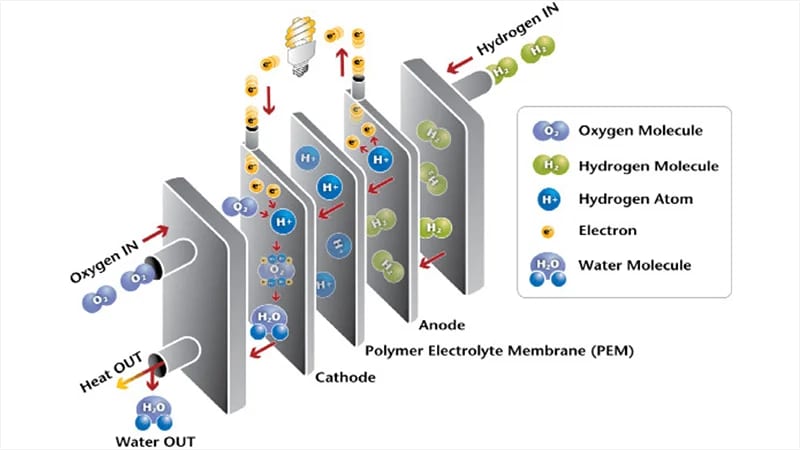
Fuel cells are the most energy efficient devices for extracting power from fuels. Capable of running on a variety of fuels, including hydrogen, natural gas, and biogas, fuel cells can provide clean power for applications ranging from less than a watt to multiple megawatts.

Read more
Hydrogen Basics

Hydrogen Production

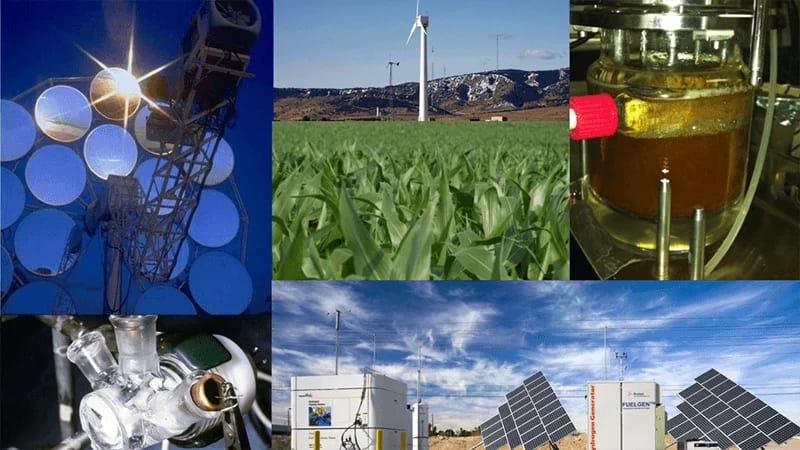
Hydrogen can be produced using diverse, domestic resources. Fossil fuels, such as natural gas and coal, can be converted to produce hydrogen, and the use of carbon capture, utilization, and storage can reduce the carbon footprint of these processes. Hydrogen can also be produced from low carbon and renewable resources,

Read more
Hydrogen Basics

Safety, Codes and Standards

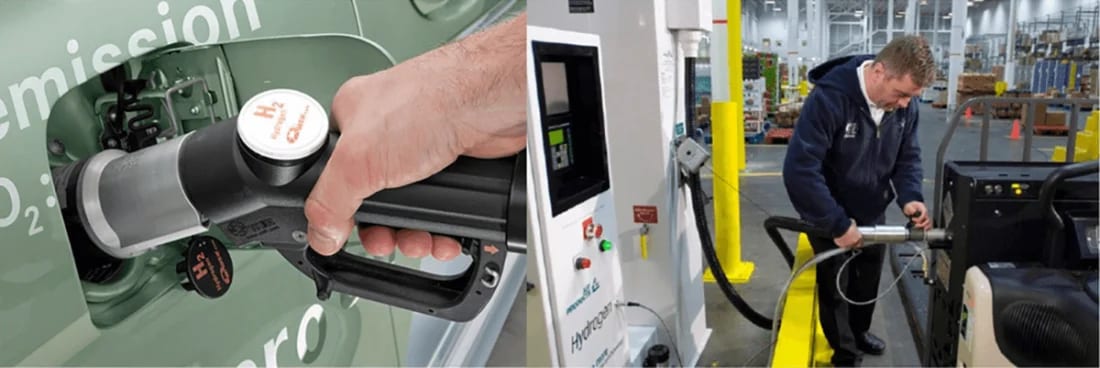
Like natural gas vehicles, fuel cell electric vehicles and material handling equipment are refueled with hydrogen using a closed-loop system to ensure safe operation.

Read more
Hydrogen Basics

Clean, Efficient, and Reliable Power for the 21st Century

Fuel cells offer a highly efficient and fuel- flexible technology that cleanly produces power and heat with low or zero emissions. Using renewably produced fuels such as hydrogen fuel cells can reduce our nation’s dependence on imported oil, leading to a secure energy future for America. With a multitude of end-uses—su

Read more
Hydrogen Basics

Early Markets: Fuel Cells for Backup Power

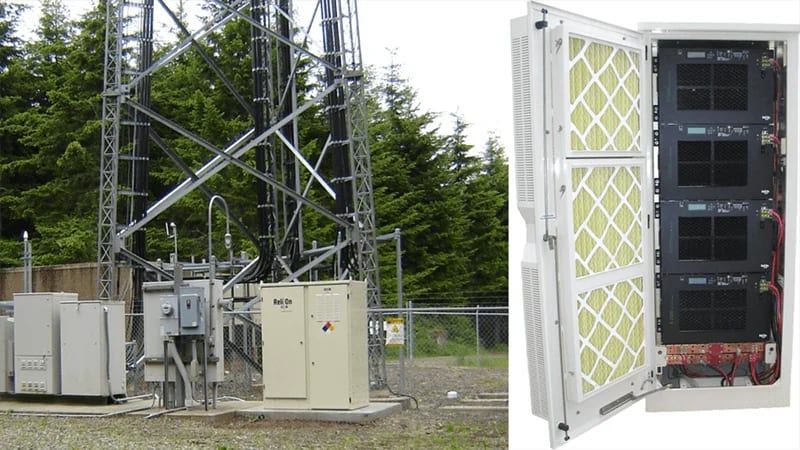
Fuel cells convert the chemical energy in hydrogen to electricity with only water and heat as byproducts and are commercially available today for certain applications. One of these is emergency backup power. Today’s commercially available fuel cell backup power (BUP) systems are particularly appropriate for low-power a

Read more
Hydrogen Basics

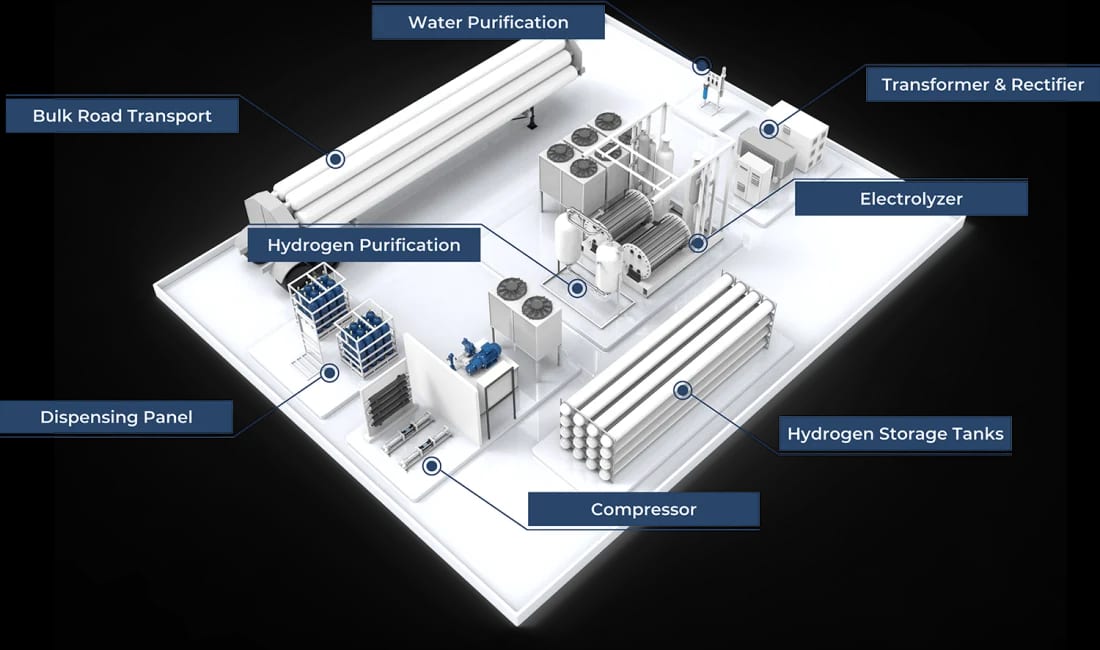
Hydrogen Delivery

A viable hydrogen infrastructure requires that hydrogen be able to be delivered from where it’s produced to the point of end-use, such as a dispenser at a refueling station or stationary power site.

Read more
Hydrogen Basics

Progress in Hydrogen and Fuel Cells

The Hydrogen and Fuel Cell Technologies Office (HFTO) focuses on research & development (R&D) and demonstration activities to advance hydrogen and fuel cell technologies for transportation and diverse applications that contribute to U.S. energy independence, security and resiliency, and add to a strong domestic economy

Read more